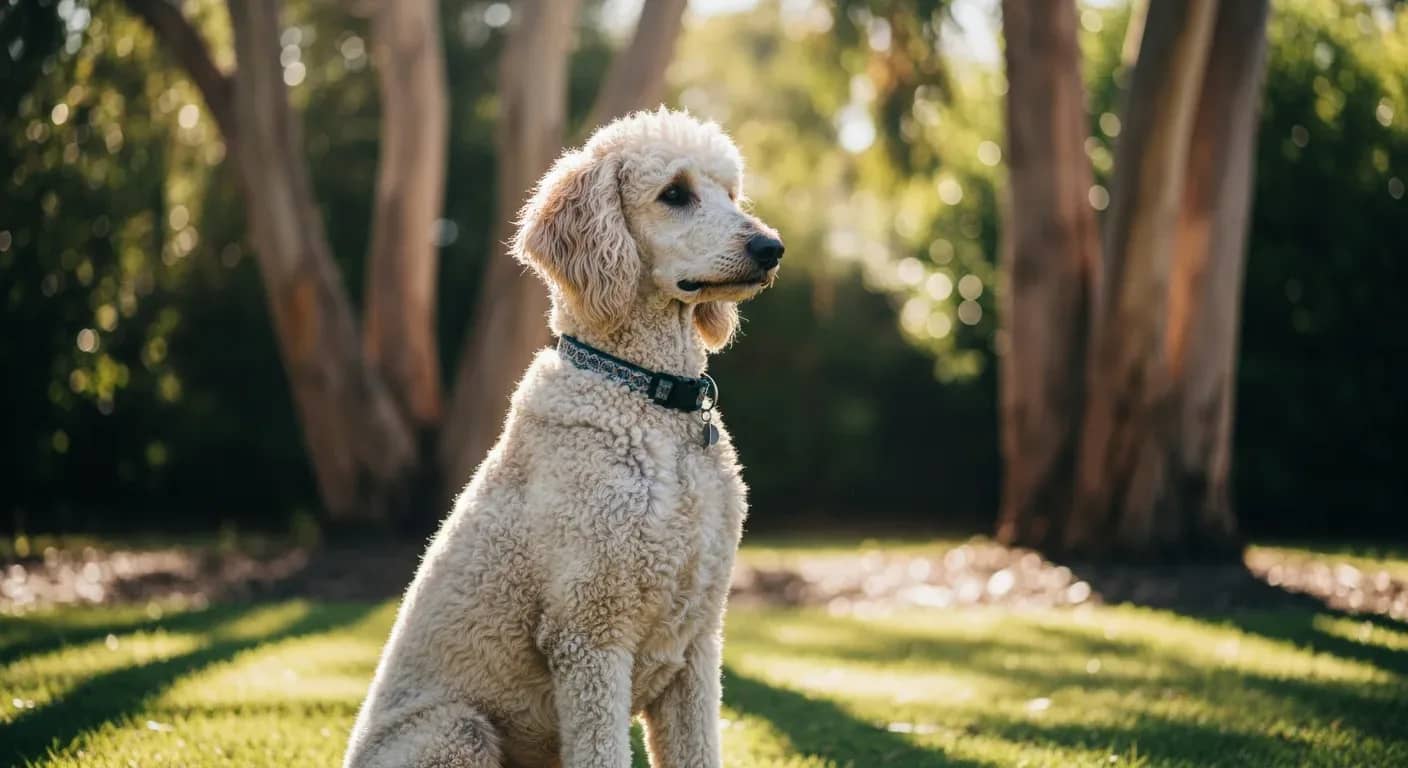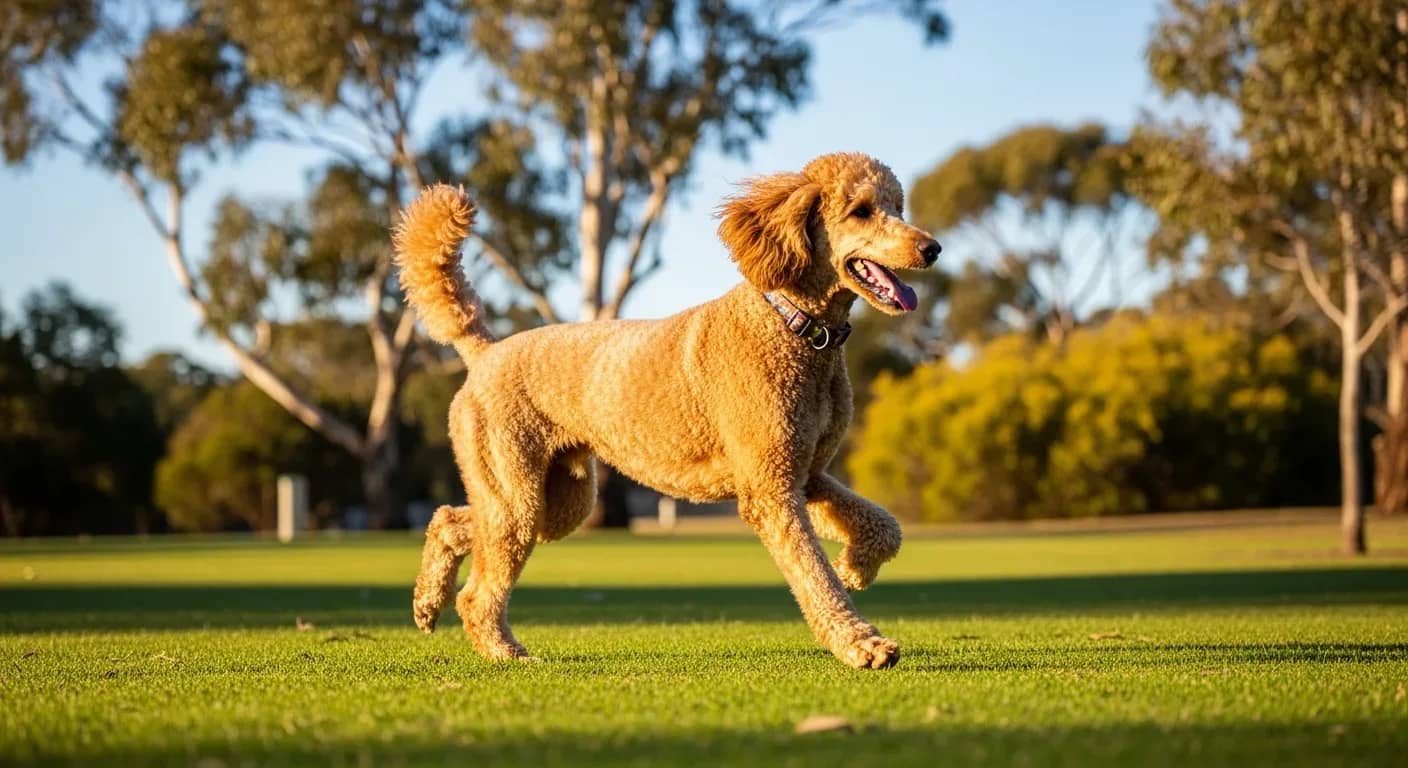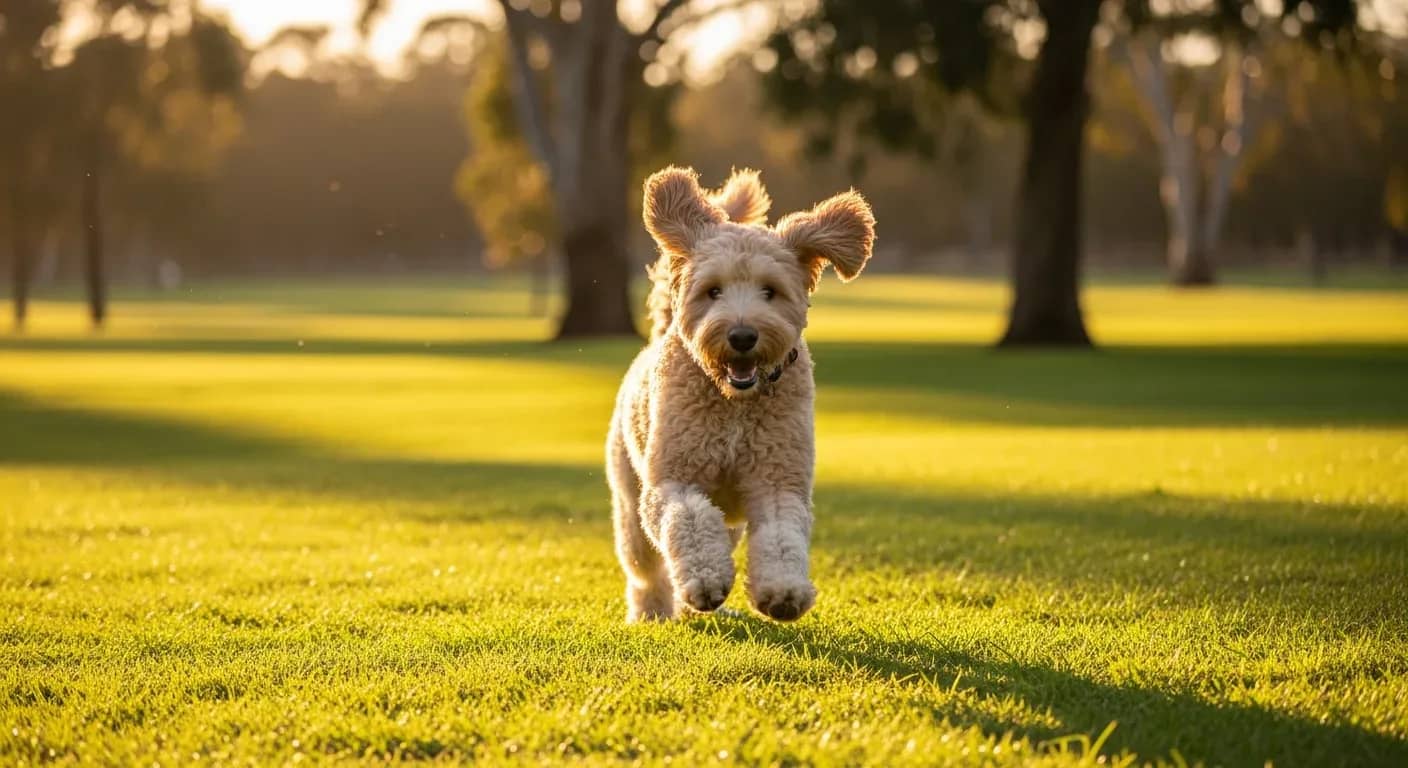

Poodles are one of Australia's most beloved breeds. Whether you share your home with a Toy, Miniature, or Standard, these intelligent, affectionate dogs tend to live long, active lives. But like every breed, Poodles carry a set of health tendencies that every owner should understand before trouble strikes.
This guide covers the most common poodle health problems in Australia, what signs to watch for, and the practical steps you can take to keep your dog feeling their best for years to come.
Hip Dysplasia
Hip dysplasia is a hereditary condition where the hip joint develops abnormally, causing the ball and socket to grind rather than glide. While it is often associated with larger breeds, studies indicate that approximately 12% of Poodles show some degree of hip dysplasia. Standard Poodles are most commonly affected, though Miniatures and Toys can develop it too.
Signs typically include:
- A bunny-hop gait when running
- Reluctance to climb stairs or jump into the car
- Stiffness after rest
- Decreased activity or exercise intolerance
Early diagnosis through X-ray makes a significant difference. Mild to moderate cases are often managed with weight control, low-impact exercise such as swimming, physiotherapy, and joint support. More severe cases may require surgical intervention. Purchasing from a reputable breeder who screens for hip dysplasia is the best form of prevention.
For Poodles showing early joint stiffness, owners often explore daily joint supplements as part of a broader management plan. Knowing the early warning signs that your dog needs joint support can help you act before stiffness becomes a bigger problem. If you are considering supplementation, look for formulas built around collagen peptides, MSM, turmeric, and vitamin C rather than relying solely on glucosamine and chondroitin, which have a less consistent evidence base in dogs.
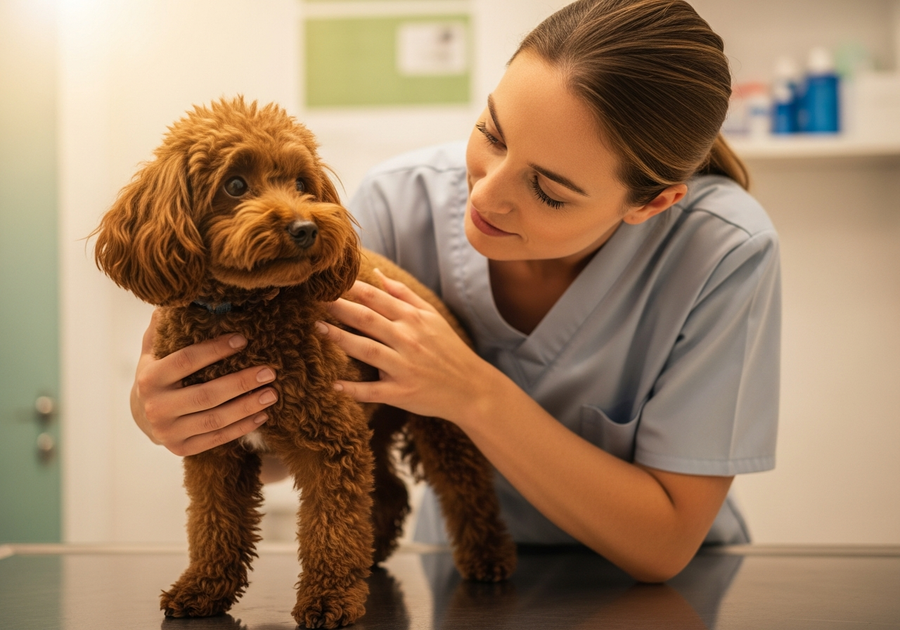
Addison's Disease (Hypoadrenocorticism)
Addison's disease is one of the most well-documented conditions in the Poodle breed. It occurs when the adrenal glands fail to produce adequate levels of cortisol and aldosterone, two hormones essential for managing stress and electrolyte balance.
Poodles, particularly Standard Poodles, are significantly over-represented in Addison's diagnoses. The tricky part is that the signs are vague and easy to miss:
- Lethargy and weakness
- Intermittent vomiting or diarrhoea
- Weight loss
- Shaking episodes
- Waxing and waning symptoms that improve briefly with supportive care
Addison's is sometimes called "the great pretender" because it mimics so many other conditions. In a crisis, it can be life-threatening. Diagnosis requires a specific blood test called an ACTH stimulation test. Once confirmed, it is managed with lifelong hormone replacement therapy. Most dogs go on to live full, happy lives with proper treatment.
The takeaway: if your Poodle shows recurring episodes of vague illness that resolve temporarily but keep coming back, ask your vet to rule out Addison's disease.
Progressive Retinal Atrophy (PRA)
Progressive retinal atrophy is an inherited eye disease that causes the photoreceptor cells in the retina to deteriorate over time, eventually leading to blindness. Animal Eye Care Australia lists Poodles among the breeds most commonly seen for PRA, alongside Labradors, Cocker Spaniels, and Australian Cattle Dogs.
The condition typically progresses in two stages. First, dogs lose their night vision, often becoming hesitant to move in low light or bumping into objects after dark. Over months to years, daytime vision diminishes as well.
There is currently no treatment to reverse PRA. Genetic testing is available and responsible breeders will screen parent dogs before breeding. If you are adopting a Poodle puppy, ask the breeder for genetic clearance documentation. Dogs that are already affected can adapt surprisingly well with support from their owners: keeping furniture in consistent positions, using scent and verbal cues, and maintaining predictable routines all help a visually impaired dog navigate with confidence.
Sebaceous Adenitis
Sebaceous adenitis is a skin condition caused by immune-mediated destruction of the sebaceous glands, which normally keep the coat and skin lubricated. Standard Poodles are among the breeds most predisposed to this condition.
Signs include:
- Dull, brittle, or thinning coat
- Dry, flaky, or scaly skin
- Musty odour
- Hair loss, often starting on the top of the head, neck, and back
- Secondary skin infections in more advanced cases
Definitive diagnosis requires a skin biopsy. Management typically involves regular oil treatments, medicated shampoos, and in some cases immunosuppressive medication. The condition is not curable but can be controlled with consistent care. Affected dogs should not be used for breeding, as the condition is believed to have a heritable component.
Bloat and Gastric Dilatation-Volvulus (GDV)
Bloat, or gastric dilatation-volvulus, is a life-threatening emergency where the stomach fills with gas and twists on itself. It is primarily a concern for Standard Poodles given their deep chest conformation, and it is the number one cause of sudden death in large breed dogs worldwide.
Signs of GDV come on rapidly and require immediate veterinary attention:
- Distended, tight abdomen
- Unsuccessful attempts to vomit or retch
- Restlessness and signs of pain
- Pale or white gums
- Rapid deterioration in condition
Prevention strategies include feeding two to three smaller meals per day rather than one large meal, using slow-feeder bowls, avoiding vigorous exercise immediately before or after eating, and speaking to your vet about prophylactic gastropexy (a surgical procedure that tacks the stomach to prevent twisting). Some breeders have this done at the time of desexing.
If you ever suspect GDV, do not wait and monitor at home. Get to an emergency vet immediately.
Epilepsy
Idiopathic epilepsy is the most common neurological condition in dogs, and Poodles are one of the breeds with a documented hereditary predisposition. Seizures typically first appear between six months and five years of age.
A seizure episode may look like:
- Sudden collapse or loss of consciousness
- Paddling limbs
- Drooling or foaming at the mouth
- Temporary confusion or disorientation afterward (post-ictal phase)
If your Poodle has a seizure lasting more than five minutes, or has multiple seizures in 24 hours, that is a veterinary emergency. Single brief seizures are distressing to witness but less immediately dangerous. Your vet will run blood work to rule out metabolic causes before diagnosing idiopathic epilepsy.
Treatment usually involves daily anticonvulsant medication. With appropriate management, many epileptic Poodles live comfortable, active lives. Keep a seizure diary to help your vet track frequency and duration, which guides medication adjustments.
Ear Infections
Poodles have floppy, heavily haired ears that create a warm, moist environment where bacteria and yeast thrive. Chronic ear infections are among the most common reasons Poodle owners visit their vet in Australia.
Warning signs include:
- Head shaking or persistent scratching at the ears
- Redness, swelling, or visible discharge
- A sour or yeasty smell
- Sensitivity when the ear is touched
Prevention is straightforward but requires consistency. Check ears weekly, keep them dry after bathing or swimming, and have excess hair in the ear canal trimmed at grooming appointments. Avoid using cotton tips inside the canal. Your vet can recommend an appropriate ear cleaning solution for routine maintenance. Recurring infections despite good hygiene may signal an underlying allergy that needs investigation.
Thyroid Issues
Hypothyroidism, where the thyroid gland produces insufficient thyroid hormone, occurs more commonly in Poodles than in many other breeds. The signs are gradual and easy to overlook at first:
- Unexplained weight gain despite no change in diet
- Lethargy and reduced activity
- Cold intolerance
- Coat changes including thinning, dullness, or hair loss on the flanks
- Skin thickening
Diagnosis involves a blood test measuring thyroid hormone levels. Treatment is daily oral medication (levothyroxine) and is highly effective. Most dogs improve noticeably within a few weeks of starting therapy. Once stabilised, dogs require routine monitoring every six to twelve months.
Dental Disease
Toy and Miniature Poodles in particular are prone to dental crowding due to their small jaw size relative to tooth number. This accelerates plaque and tartar build-up, leading to periodontal disease that, if left untreated, can affect the heart, kidneys, and liver.
Daily tooth brushing is the gold standard for prevention and remains the single most effective thing you can do at home. Dental chews, water additives, and annual professional scaling under anaesthesia are useful complements. Begin dental care early so your Poodle accepts it as a normal routine.
Skin Allergies and Atopic Dermatitis
Poodles can develop environmental allergies (atopic dermatitis) to dust mites, pollen, grass, and mould. Food allergies are also seen. Both tend to manifest as itchy skin rather than respiratory symptoms, which can confuse owners used to how allergies present in humans.
Common signs:
- Excessive licking of paws
- Recurrent skin or ear infections
- Rubbing the face on furniture or carpet
- Redness and irritation around the belly, armpits, or groin
Management depends on identifying the trigger. Your vet may recommend an elimination diet trial to rule out food allergy, allergy testing, or prescription medications to control itch. Gut health plays a supporting role: a disrupted microbiome is associated with increased allergy severity in dogs, so some owners include a daily probiotic as part of their management approach. Understanding the signs your dog needs a probiotic can help you decide whether this step makes sense for your Poodle. If you explore this route, look for a single-species formula built around Saccharomyces boulardii, a yeast probiotic that survives antibiotics and supports gut barrier function.
Poodle Lifespan and Preventive Health
Understanding your Poodle's lifespan expectations helps you plan preventive care at the right life stages. Standard Poodles typically live 12 to 15 years, while Toy and Miniature Poodles often reach 14 to 17 years, making preventive healthcare an investment that pays off over a long shared life.
The best outcomes for Poodles come from a consistent preventive routine:
- Annual vet checks for dogs under seven, biannual from seven onwards
- Genetic testing when purchasing from a breeder (hip, PRA, and other breed-specific panels)
- Dental care from puppyhood: daily brushing where possible
- Weight management: Poodles can become overweight, which exacerbates joint, heart, and metabolic issues
- Regular grooming: not just cosmetic, but a chance to check skin, ears, and coat health up close
- Parasite prevention: year-round flea, tick, and heartworm control appropriate for your Australian region
Poodles are one of the healthiest and longest-lived breeds available in Australia. With the right knowledge and a proactive approach, most of the conditions listed here are either preventable, detectable early, or very manageable with treatment. Your vet is your best partner in keeping your Poodle thriving through every life stage.
Not sure where your Poodle stands on joint health, gut health, or overall wellness? Take the free Hero Pet Health Assessment to get personalised supplement recommendations based on your dog's age, size, and health needs.
If you share your home with a mixed breed, you may also find it useful to compare Poodle health tendencies with those of closely related crossbreeds. Cavoodles carry many of the same Poodle health risks and owners of this popular hybrid breed face many of the same conversations with their vet. For more general guidance on dog health and wellness, visit the Hero Pet Health resource hub, where you will find vet-reviewed articles covering nutrition, supplements, and breed-specific care across Australia's most popular breeds.